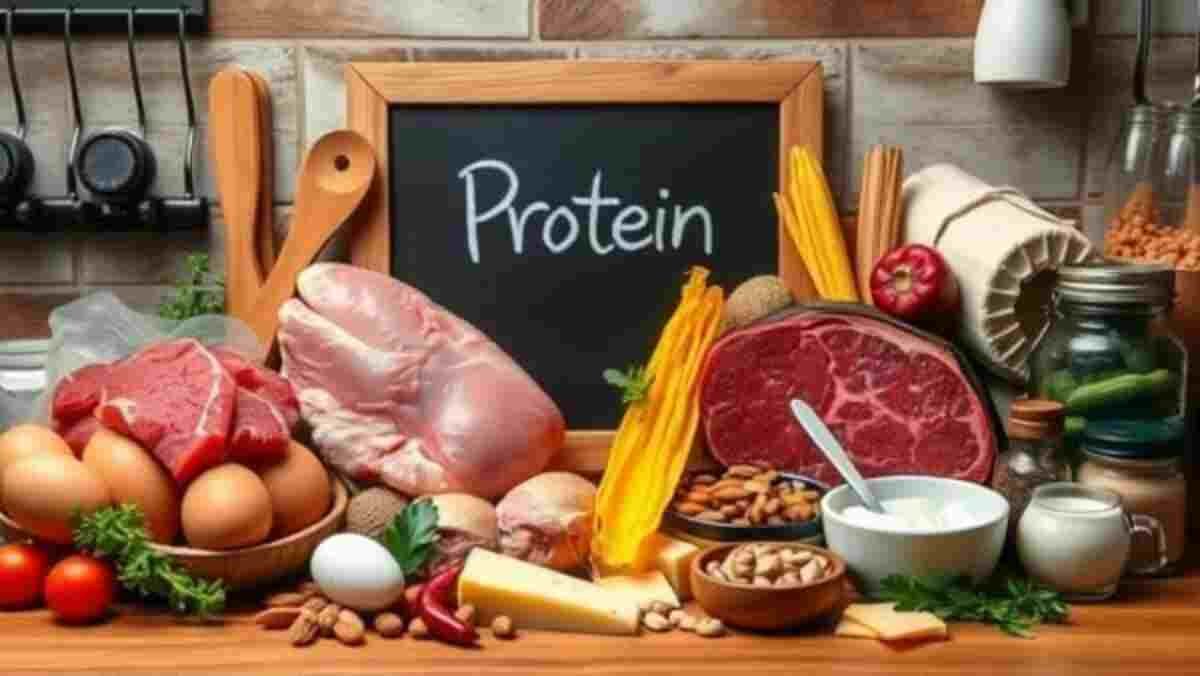
Protein is no longer just available on gym shelves or in bodybuilding diets; it has become a tangible aspect of the contemporary food and lifestyle culture we lead. These are just some of the many ways in which brands are now using protein as a marketing tool rather than just a form of nourishment:
That shows a marked change in the way consumers are looking at food: protein is now increasingly related with strength fitness weight management, recovery and aging well. Social media has only accelerated this change, which fitness content creators and health and wellness content creators have both adapted to and contributed to, by turning everyday protein goals into more lifestyle-driven content. A 2026 analysis by the Calgary Journal talks about the move of protein from just a functional nutrient to a lifestyle marker, and questions if marketing is moving ahead of health benefits.
This cultural change is presenting a huge commercial opportunity. Food manufacturers have been fortifying all kinds of foods with protein, which previously had little or no relevance to sports nutrition. Protein varieties of coffee yogurt cereal, snack foods and even well known comfort foods are all available in supermarkets and on restaurant menus. The FT has also reported how protein-rich versions of many everyday products are now gaining prominence in the high street, where they are often commanding top prices, capitalising on consumer demand for protein.
Restaurants are reacting, too. In Los Angeles, the viral proteinmaxxing trend has inspired diners to stick even more chicken, steak and eggs into their dishes. Based on reports from certain outlets, the result has been a shockingly pronounced rise in sales of animal-based ingredients, although the result of increased ingredient and supply chain costs can be limited. The trend shows how a diet-related predilection can extend far beyond repackaging to affect restaurant ordering behaviors and combinations.
It also has certain commercial advantages.It is beneficial to have a product that is convenient as consumers may recognize the importance of protein but find it difficult to add in the required quantities in today’s hectic lifestyle. This because of this generates markets for ready-to-drink drinks, protein bars, strengthened snacks, etc.
Other parts of the category are growing in different directions too. Non-whey powders like plant-based proteins, cultured dairy, fermented ingredients and alternative protein technologies are providing more options for competition. Cultured dairy is one such area, with yogurt, cottage cheese and kefir showing the benefits of rising interest in protein, probiotics and functional nutrition. Based on data from Circana (source Dairy Processing), retail sales of yogurt in the U.S. jumped 11.6% from July 2025 to July 2026 to reach $13.6 billion. Cottage cheese sales gained 16.7% during this period.
India is heading down the same road. Here but brands are “fortifying” all forms of products, from coffee and snacks to staples, with protein, and ready-to-drink protein drinks are receiving growing interest as convenient nutrition solutions. Industry one reports have called protein a “new frontier premiumisation tool” which means it allows brands “to nationalise familiar products around higher nutrition credentials and command premium prices for some formulations”.