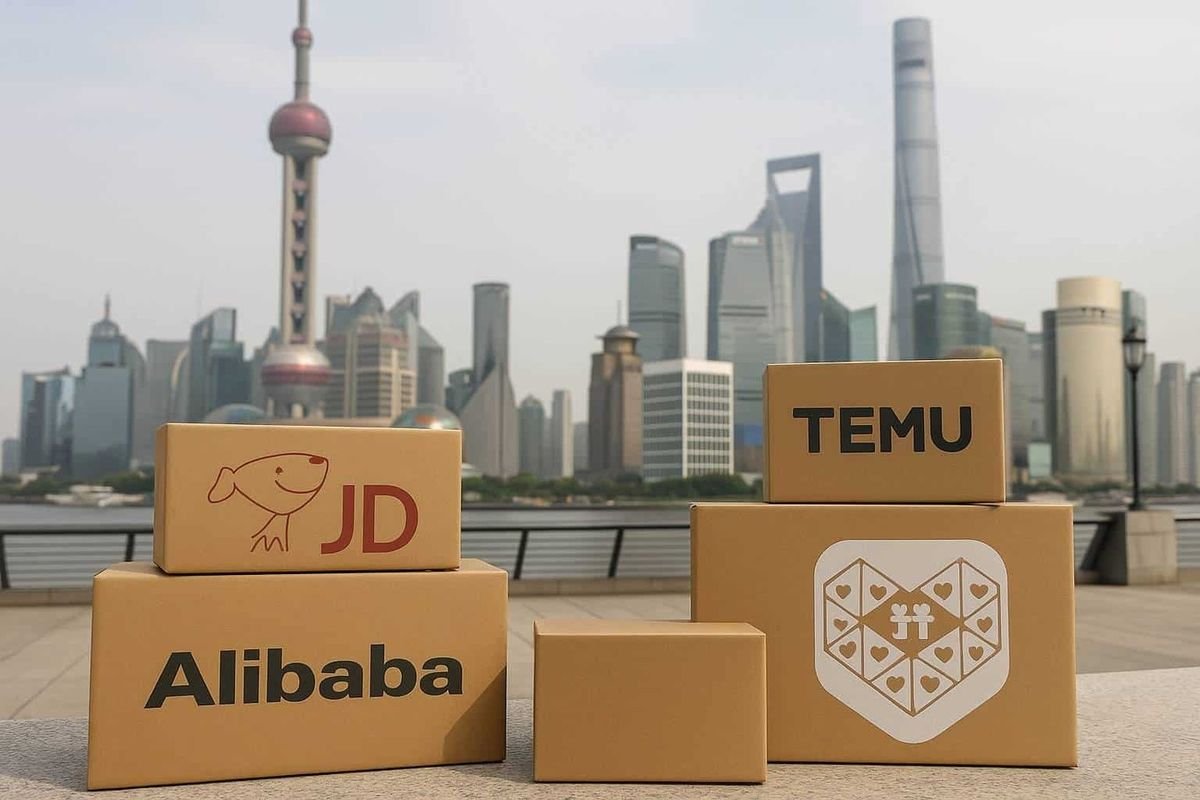
A one-year war of attrition among the biggest Chinese-shopping sites has stuck around longer than any cashback promotion, free ship or gamble-special. What started as an all-out war over rebates for fund delivery turned into a permanent shift in expectations for many city-dwellers. Instant shopping getting your daily needs within an hour left being a niche feature for convenience, to an expected feature. Meituan, Alibaba’s Taobao Instant Commerce and JD.
com spent billions of dollars on coupons, free delivery offers and merchant commissions. The spending resulted in record order numbers and battles for market share that had previously been predetermined. Meituan’s once unassailable lead in food delivery softened as competitors reclaimed ground.
But the biggest result was not domination of the most lucrative meal orders. The campaigns conditioned consumers, mainly in large cities, to expect fast delivery on many more products. Electronics cosmetics groceries, flowers and even medicine can be delivered to your door in sixty minutes or less in many neighborhoods. Platforms found that repeat trips for coffee or takeout can set the stage for selling additional, more profitable non-food items.
If a customer is opening an application several times daily for food, the same representation can deliver what used to be a store run or a wait for more conventional e-commerce, say analysts. Subsidy phase has mostly died down with regulation and the not insignificant cost of operating it. Companies have turned their attention towards providing infrastructure that will make quick delivery sustainable, such as more dense networks of dark stores and warehouses, improved routing for delivery, and a more unified supply chain.
Starting to make money has taken precedence over losing billions. Though, the demand from consumers may not turn back. Upon seeing the delivery of a phone charger or last-minute gift in one-hour, waiting another 24 hours will be a thing of the past. The industry’s executives aboard the platforms agree. A Meituan CFO has pontificated that the current quick commerce wave represents an irreversible lifestyle shift. Statistics reveal that the market share of instant retail is continuing to increase as a proportion of the entire online traffic, while volume also surged in non-food categories in tandem with food delivery orders. The game is no longer just about losing competitors on prices for meals.
It is about owning the in-between moments when the customer need it most and will pay for it. Such a change is not only a challenge for existing platforms. The need for traditional shopkeepers to develop the same speed is a threat while they cannot keep up with the speed. Logistics networks are now begining to be reorganized around the need for densier urban fulfilment and not only large service centers. For the consumer, the advantages are clear: less planning, more flexibility in fulfilling its daily needs. The costs lies in the current rush of delivery riders on our streets, the debate about the working conditions and needs for this activity, the pollution of these ongoing trips.