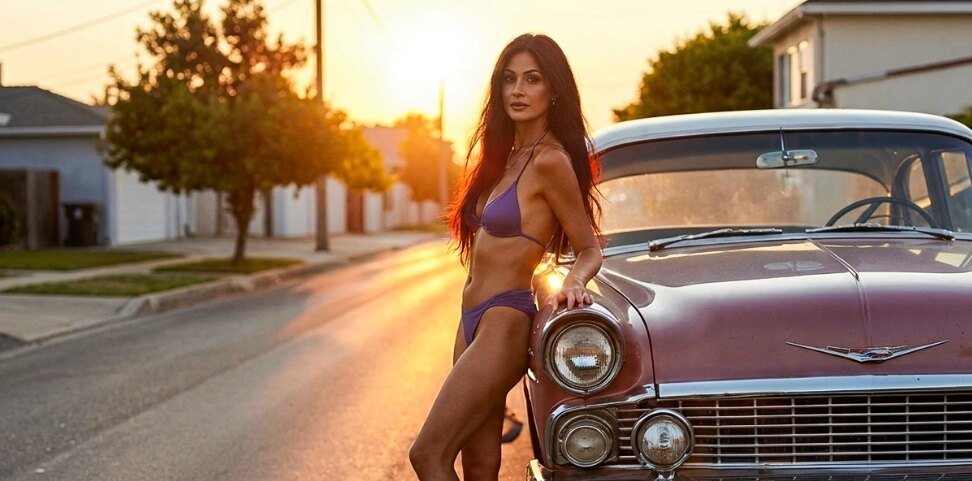
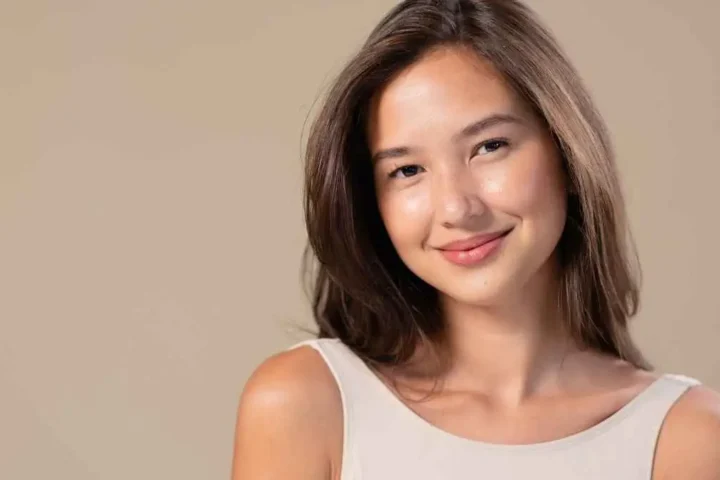
Groundbreaking fashion is not static. It moves, speaks, and performs. Model Deborah Paparella has built a strong reputation for bringing movement into modern modelling.
Based in London, Deborah has grown from a pageant finalist into an international model with a strong artistic identity. She has done photoshoots, editorials, video productions, and catwalks.
However, she is truly defined not just by where she has worked, but how she works.
Her approach is influenced by dance, music, and performance. She calls it a “shoot in motion.” Variety has revealed how brands increasingly seek collaborators rather than passive subjects, particularly for campaigns targeting audiences under 35 who expect authentic personality integration.
This makes Deborah’s creative direction an invaluable asset.
The Changing Face of Fashion and the Problem of Static Modelling
Fashion modelling has long focused on still imagery. The model follows instructions while the camera captures. The result depends heavily on the photographer’s direction.
But this approach has limits. Static posing lacks emotional depth and can feel repetitive across campaigns. Since digital content keeps expanding, audiences expect more engaging visuals, which is why brands need models who can perform, not just pose. They need individuals who understand timing, expression, and storytelling through movement.
Many models are not trained for this, which leads to limited creative output.
Deborah Paparella’s Approach: “Shoot in Motion”
Deborah Paparella is known for her performance-based method. Her background in modern jazz dance and exposure to music from an early age influence how she approaches every project.
She explains, “Music lives in every single part of my body. When I step onto set, I’m not just positioning myself for the camera. I’m interpreting the energy of the space.”
Her idea of “shoot in motion” brings the elements of dance, music, and fashion together. Each shoot becomes a performance. This creates images that feel active and expressive.
Her work often reflects her musical roots. As the daughter of a musician, rhythm shaped her early life. That influence now appears in how she times her poses and transitions between expressions.
This method has gained attention across international platforms. Publications like Variety, Monaco Muse, The Hollywood Magazine, LA Uncoverd, and NY Weekly Magazine have highlighted her ability to merge identity, movement, and fashion into one visual language.
Building a Global Presence Through Performance
Deborah’s rise began with pageantry and television work in Italy. Her experience as a finalist in beauty competitions, her title as Miss Cinema, Miss Bellezza and her participation in the Italian television program “Veline,” where she reached the final selection to dance on the most popular satirical news show on Italian television, “Striscia la Notizia” , required stage presence and confidence, which are skills that translated well into modelling. She already understood how to engage an audience, even through a lens.
From Italy, she expanded into the UK and US markets. This allowed her to collaborate with photographers and brands across different styles and expectations. Her approach translates across cultures. Movement and emotion are universal. They do not rely on language.
Services and Creative Capabilities
Deborah Paparella offers a focused set of modelling services that are highly influenced by her performance background:
- Photoshoots and editorials: She brings movement into still photography, creating expressive and story-driven visuals.
- Video productions: Her dance training supports fluid motion, making her well-suited for dynamic content.
- Catwalk appearances: Her stage experience ensures a confident and controlled runway presence.
- Creative collaboration: She contributes ideas during planning, helping shape the visual direction of projects.
Her work style is collaborative. She engages with photographers, stylists, and creative directors to refine the concept to reduce trial and error during shoots and improve efficiency.
Expanding the Role of the Modern Model
The fashion industry is moving toward hybrid talent. Models are now expected to act, move, and connect with audiences across platforms.
Deborah’s work integrates performance into fashion without losing visual clarity. Her images carry a sense of motion. This responds to the rise of artificial imagery. As synthetic visuals become more common, human performance gains importance. Movement, timing, and emotion are harder to replicate digitally.
Her work highlights how fashion is stronger when it feels alive.
Conclusion
Deborah Paparella’s journey from a Miss Italia finalist to an international fashion figure shows how the industry is evolving. Her work is not limited to traditional modelling. It introduces motion, rhythm, and performance into every frame.
Brands need engaging content. Audiences expect more than static images. Her “shoot in motion” concept answers both needs.
The fashion industry will continue to shift toward dynamic storytelling, and models who understand movement will shape its future. Deborah Paparella is leading this shift by bringing performance into focus and turning each shoot into a living visual experience.