US consumer prices accelerated sharply in April 2026, with the annual inflation rate climbing to 3.8 percent — the highest level since May 2023. According to data released by the Bureau of Labor Statistics on May 12, the Consumer Price Index rose 0.6 percent for the month, pushing the yearly figure up from 3.3 percent in March. Economists had expected a slightly lower reading around 3.7 percent, but escalating energy costs tied directly to the ongoing conflict in the Middle East delivered a stronger-than-anticipated blow to household budgets nationwide.
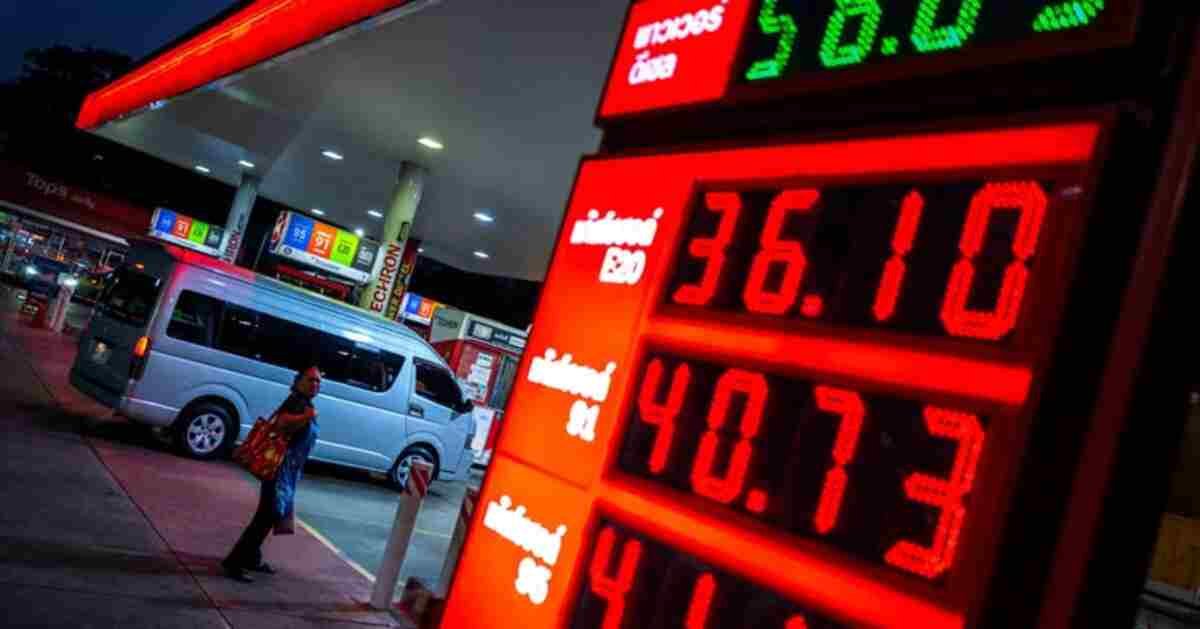
Energy prices emerged as the dominant driver behind the surge. The energy index jumped 17.9 percent over the past year, marking the steepest annual increase since September 2022. Gasoline prices alone soared 28.4 percent compared to April 2025, while fuel oil costs skyrocketed by more than 54 percent. These spikes accounted for over 40 percent of the overall monthly inflation increase. Disruptions in global oil supply routes, particularly around the Strait of Hormuz amid the US-Israel-Iran tensions, have kept crude oil prices elevated above $110 per barrel in recent weeks, transmitting pain directly to American drivers and businesses.
Beyond energy, shelter costs continued their steady climb, rising 3.3 percent annually, while food prices posted a more moderate 2.3 percent gain. Core inflation, which strips out volatile food and energy categories, edged higher to 2.8 percent year-over-year, signaling that underlying price pressures are not entirely isolated to geopolitical shocks. Monthly core prices rose 0.4 percent, the fastest pace in several months.
The return of higher inflation comes at a challenging time for American families. Real wages have struggled to keep pace, with average hourly earnings growing 3.6 percent over the year — falling just short of the headline inflation rate. This dynamic effectively erodes purchasing power, leaving many households facing difficult choices between filling gas tanks, paying rent, and covering groceries. Economists note that consumers were already showing signs of fatigue after years of elevated prices, with softening labor market indicators adding to the concern.
Markets reacted swiftly to the report. Bond yields rose as investors reassessed the likelihood of Federal Reserve rate cuts later in the year. Stock futures dipped initially on fears that persistent inflation could delay monetary easing, though some sectors tied to energy production saw gains. The stronger-than-expected data has sparked renewed debate about the Fed’s policy path, with some analysts now questioning whether rates will need to remain higher for longer to tame these external shocks.
The Middle East conflict’s ripple effects extend far beyond the pump. Higher transportation and shipping costs are beginning to filter through supply chains, potentially pushing up prices for consumer goods in the coming months. Airlines have already signaled fare increases, while manufacturers warn of elevated input costs that could eventually reach retail shelves.
Looking ahead, the trajectory of inflation will hinge heavily on how the geopolitical situation evolves. Any de-escalation in the Middle East could ease pressure on energy markets and bring relief at the gas pump. Conversely, prolonged instability risks embedding higher costs into the economy. The next CPI report for May, scheduled for release in mid-June, will be closely watched for signs of whether April’s jump was a temporary spike or the start of a more stubborn inflationary trend.
For American consumers and policymakers alike, this latest inflation reading serves as a stark reminder of how distant conflicts can reshape daily economic realities at home. As families navigate summer driving season amid elevated fuel prices, the data underscores the interconnected nature of global events and household finances in an increasingly volatile world.