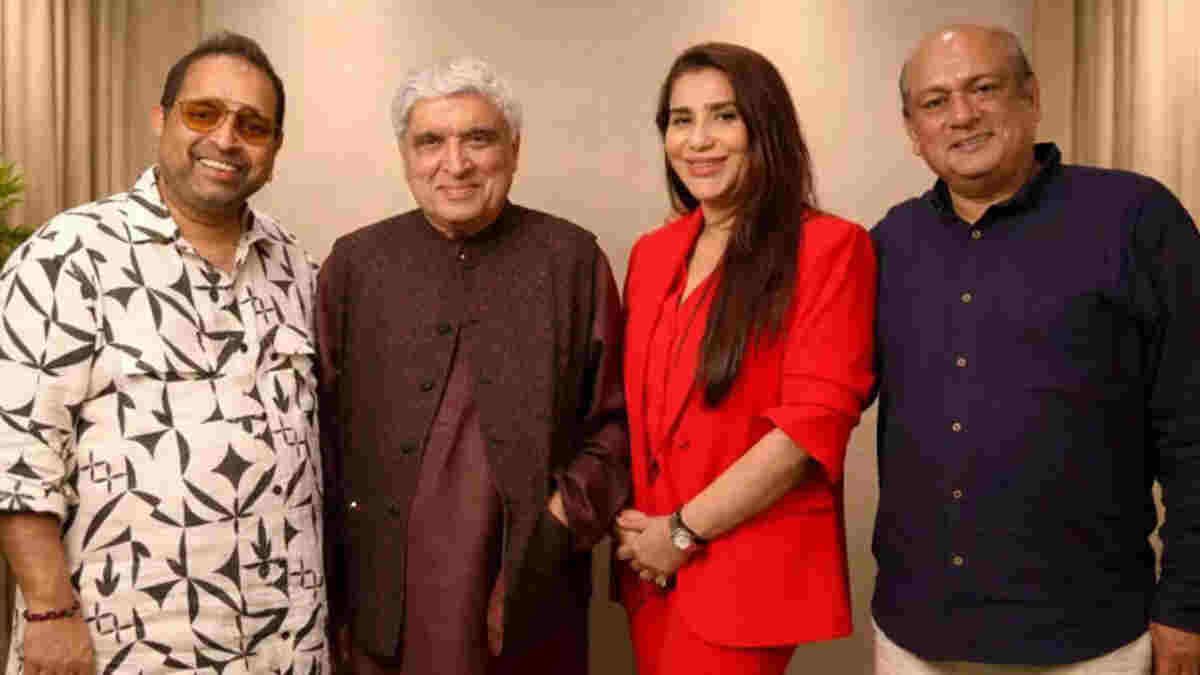
Renowned Indian composer and singer Shankar Mahadevan has taken a major step toward reshaping the music industry with the launch of Goongoonalo, an artist-owned digital platform designed to restore creative ownership and control to musicians. The initiative arrives at a time when artists across the world are increasingly questioning traditional music distribution models that often leave creators underpaid and creatively restricted.
Goongoonalo is positioned as more than just another music streaming or distribution service. Instead, it aims to function as a creator-first ecosystem where musicians retain rights to their work, participate directly in revenue sharing, and engage with their audiences without intermediaries dominating the process. Mahadevan has repeatedly emphasized that music is an art form rooted in emotion and individuality, not a mass-produced commodity, and the platform reflects that philosophy.
The launch comes amid growing dissatisfaction within the global music community over opaque royalty structures and algorithm-driven visibility. Independent artists, in particular, struggle to sustain themselves financially despite reaching sizable audiences on mainstream platforms. Goongoonalo seeks to address this imbalance by allowing artists to collectively own the platform, giving them a voice in decision-making and policy creation.
According to Mahadevan, the idea behind Goongoonalo was born from years of conversations with musicians who felt disconnected from the value their work generates. By placing ownership in the hands of artists themselves, the platform aims to foster a fairer and more transparent environment. Musicians can upload their work, collaborate with peers, and monetize content while maintaining full creative freedom.
Another defining aspect of Goongoonalo is its focus on community rather than competition. Instead of relying solely on algorithms to push viral content, the platform encourages discovery through curation, collaboration, and direct listener engagement. This model is intended to give equal visibility to emerging artists alongside established names, helping nurture diverse musical voices across genres and languages.
The timing of the launch is significant. The global music industry is undergoing a period of rapid transformation driven by digital platforms, artificial intelligence, and changing listener habits. While these advances have expanded access to music, they have also intensified concerns around originality, ownership, and fair compensation. Goongoonalo positions itself as a response to these challenges, offering an alternative that prioritizes artistic integrity over scale-driven profits.
For Indian musicians, the platform holds particular promise. India’s independent music scene has grown dramatically in recent years, yet monetization remains a persistent challenge. By creating an India-born, globally accessible platform led by artists, Goongoonalo aims to give local talent a sustainable pathway to global audiences without losing control over their creations.
Mahadevan’s involvement adds significant credibility to the project. As a respected figure with decades of experience across film music, classical compositions, and live performances, his advocacy for artist rights resonates strongly within the industry. His leadership signals a broader movement where established artists use their influence to create infrastructure that benefits the wider creative community.
Early reactions from musicians suggest cautious optimism. Many see Goongoonalo as a much-needed experiment that could inspire similar artist-led platforms worldwide. While the long-term success of the platform will depend on adoption and execution, its core idea aligns with a growing demand for ethical, transparent, and creator-centric digital spaces.
As the music industry continues to evolve, Goongoonalo represents a meaningful attempt to redefine how music is valued and shared. By placing ownership where it belongs—with the artists—the platform challenges long-standing industry norms and offers a vision of a future where creativity, not control, sits at the center of music distribution.