Introduction
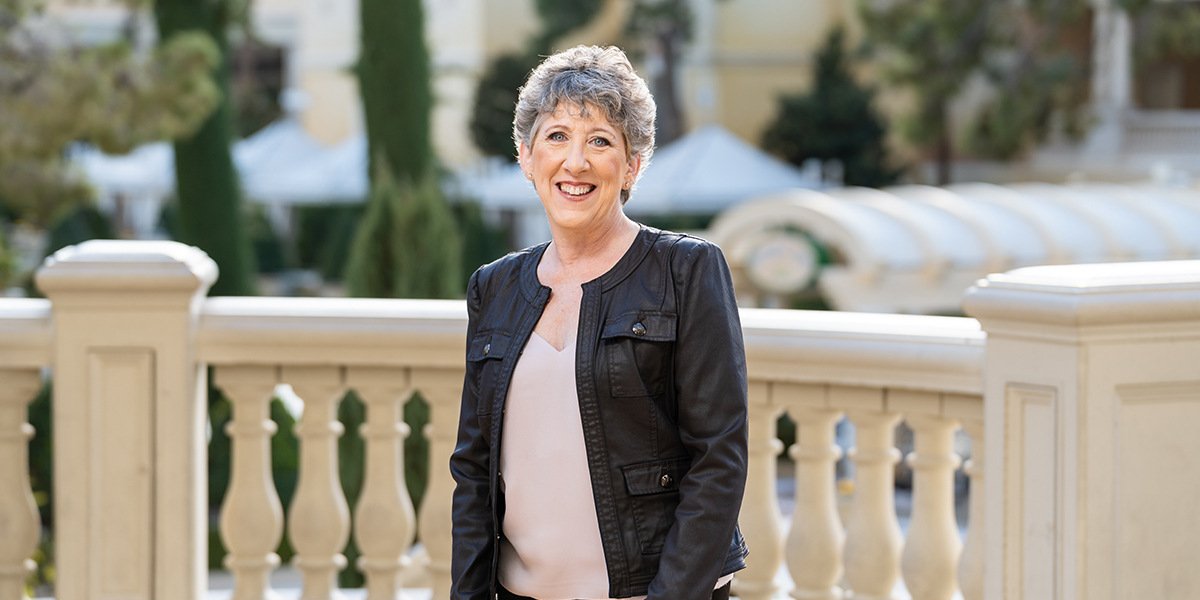
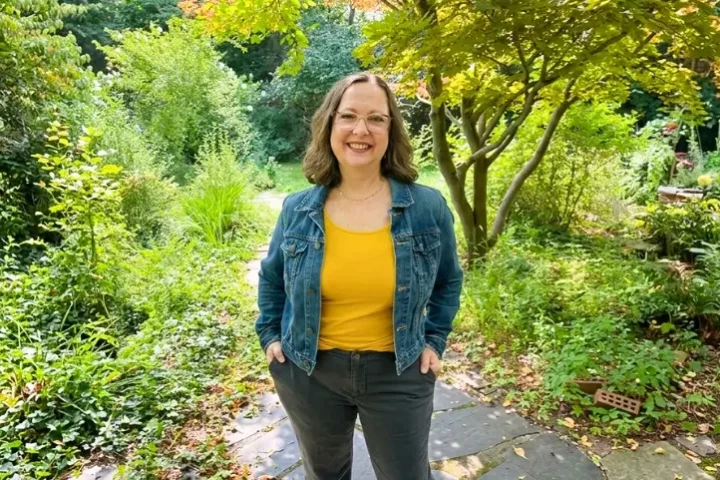
Dr. Carolyn M. Rubin, founder of Carolyn M Rubin Consulting, a coaching and training practice, has spent over three decades changing lives through leadership, patient advocacy, and personal development. Her journey started in the pharmacy field, where she learned firsthand how care, access, and connection can transform a person’s life. Over the years, she rose through the healthcare industry and became a respected executive known for her servant leadership. Today, she applies those lessons as a Certified Life Coach and mentor. Through her consulting practice, she helps people shift their mindset, build confidence, and see the possibilities already within them. She is also the host of EmpowerFuse – Unleashing Inspiration Together, a talk show that offers meaningful conversations. In this interview, she opens up about her work, her philosophy, and the values that continue to guide her.
Q1. Dr. Rubin, your work has consistently focused on helping individuals and organizations unlock their full potential. What originally inspired your commitment to empowerment as both a personal mission and a professional methodology?
Dr. Carolyn M. Rubin: My commitment to empowerment was born from two parallel journeys: my upbringing and my 32+ years in healthcare leadership. Early in life, I learned that confidence is not given; it is cultivated, often in the quiet spaces where someone believes in you before you fully believe in yourself. Throughout my career, integrating practices, navigating acquisitions, and guiding large, diverse teams, I saw the same pattern repeatedly: people don’t lack potential; they lack permission, language, and support to activate it.
Empowerment became my mission because I witnessed firsthand what happens when leaders shift from command to collaboration, from telling to teaching, and from managing to mentoring. When you help people see their own strength, not through motivation alone, but through alignment, accountability, and belonging, you ignite transformation. Empowerment turns skill into confidence and confidence into impact, and that is where potential becomes purpose.
Q2. Many leaders struggle to move from identifying potential to truly activating it. What processes or principles do you use to help teams transform individual strengths into collective power?
Dr. Carolyn M. Rubin: The gap between possibility and performance is rarely skill; it’s connection. I use three core principles:
1. Awareness: People must know their strengths with clarity, not just concepts. Tools like the TQ (Transformation Quotient) Framework integrate IQ, EQ, and SQ to align skillset, self-awareness, and purpose.
2. Alignment: Strength is amplified when it is intentionally placed. We co-create role clarity, decision boundaries, and communication rhythms so strengths meet the right assignments.
3. Agency: Empowerment requires ownership. I coach leaders to replace “How can I solve this?” with “How can I equip someone else to solve it?”
When individuals understand who they are, where they fit, and why they matter, their contribution shifts from task to legacy. That’s the moment collective power emerges.
Q3. Collaboration is at the heart of your consulting philosophy. How do you cultivate environments where collaboration isn’t just encouraged but becomes a natural part of the organizational culture?
Dr. Carolyn M. Rubin: Collaboration cannot be mandated; it must be modeled, rewarded, and made safe.
I prioritize:
- Psychological safety: People collaborate when they can bring ideas without fear of correction or condemnation.
- Shared language: Frameworks like “Listen with Your Eyes” and “The Bridge of Becoming™” give teams words for behaviors that drive unity.
- Micro-moments of acknowledgment: Celebrating small wins fuels momentum and trust.
- Removing the hero narrative: Collaboration flourishes when success is “ours,” not “mine.”
When leaders demonstrate that collaboration is a standard, not a strategy, people stop guarding their expertise and begin multiplying it.
Q4. You’ve worked with both healthcare and corporate organizations. How do the dynamics of empowerment and communication differ between these sectors, and what universal lessons have you found apply to all leadership contexts?
Dr. Carolyn M. Rubin: Healthcare is deeply mission-driven and emotionally charged. Corporate is often ROI-driven and pace-sensitive. Yet the universal truth is: people want to be seen, heard, and valued regardless of industry.
The differences:
- Healthcare communication must be empathetic, clear, and decisive; lives depend on it.
- Corporate communication must be strategic, aligned, and responsive; markets depend on it.
The universal lessons:
- Clarity reduces conflict.
- Feedback is a gift when delivered with respect.
- Empowerment accelerates outcomes more sustainably than directives.
No matter the industry, leadership is still human work.
Q5. Many of your published pieces highlight emotional intelligence and mindfulness in leadership. How do you integrate these qualities into executive decision-making without compromising efficiency and results?
Dr. Carolyn M. Rubin: Emotional intelligence and mindfulness enhance decision-making; they don’t slow it down; they stabilize it.
Mindful leaders:
- Respond, they don’t react.
- Seek data and perspective, not validation.
- Make decisions that align values with outcomes.
A leader grounded in self-awareness has fewer retractions, less turnover, better communication, and healthier teams, all of which are measurable results.
Efficiency without emotional intelligence may get results, but it rarely sustains them. Mindfulness creates clarity, and clarity is the fastest route to confident decisions.
Q6. As leadership continues to evolve with AI, hybrid teams, and global collaboration, what skills or mindsets do you believe tomorrow’s leaders must master to truly empower others?
Dr. Carolyn M. Rubin: The leaders of tomorrow must be:
- Digitally fluent but deeply human.
- Adaptive communicators across cultures, platforms, and personalities.
- Comfortable leading without proximity or control.
- Guided not only by intellect, but by emotional and spiritual intelligence.
The future belongs to leaders who can say:
“I don’t have to be the smartest in the room; I have to be the one who brings out the genius in the room.”
Empowerment is no longer a leadership style; it is a leadership standard. The leaders who thrive will be those who equip others to lead, not merely follow.
Conclusion
Dr. Carolyn M. Rubin focuses on lifting others through guidance and care. Her work is not about quick fixes or surface-level motivation. It is about helping people build a stronger foundation so they can move through life with confidence, purpose, and resilience. Through Carolyn M Rubin Consulting, she creates space for clients to explore their strengths and understand their challenges without judgment. Her workshops, leadership coaching, and personal development programs help people grow into the best version of themselves. Her message is to keep your strength and live your dream.