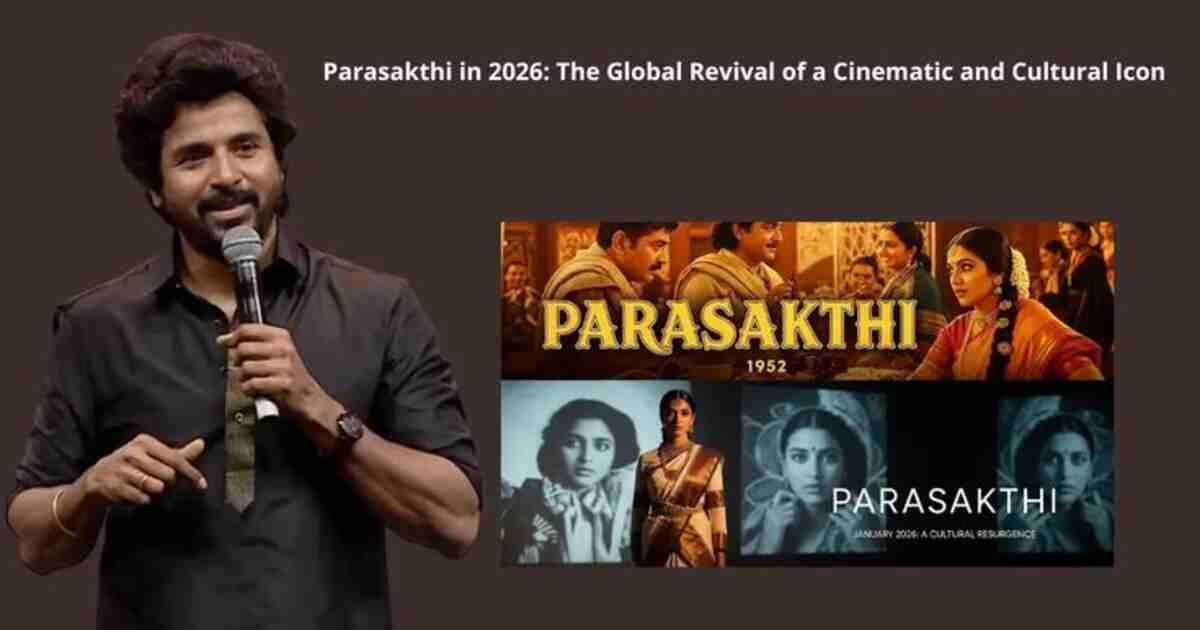
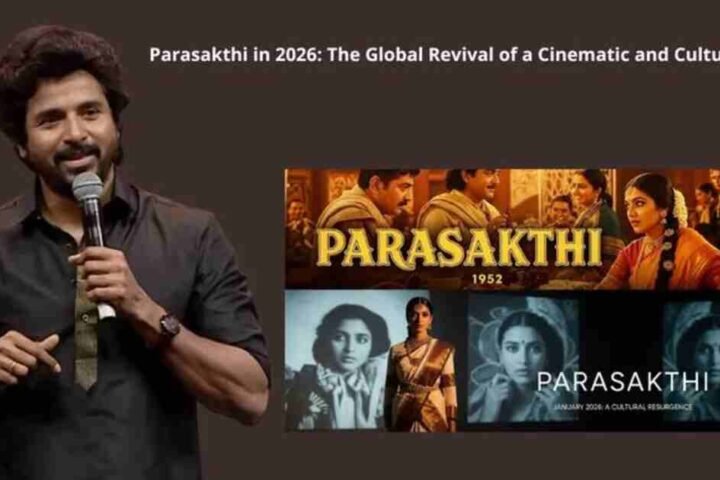
The much-anticipated Tamil political drama Parasakthi, starring Sivakarthikeyan and Sreeleela and directed by Sudha Kongara, has sparked fresh buzz across the entertainment world after its uncensored version started streaming on Parasakthi on Zee5, prompting discussions about artistic freedom, censorship, and audience demand.
After the film’s theatrical release on January 10, the Central Board of Film Certification (CBFC) had mandated around 25 cuts and modifications before issuing a U/A certificate just before its box-office debut. The board’s edits ranged from muting multiple expletive phrases to altering key dialogue and removing visuals depicting burning effigies related to the film’s portrayal of India’s 1960s anti-Hindi agitation — actions meant to address cultural sensitivities but that drew backlash from fans and critics alike.
The censored cut of the film was first made available on Zee5 on February 7, but viewers quickly took to social media to voice frustration over dialogue muting and perceived dilution of the film’s historical context. Responding to the reactions, the streaming platform followed up on February 12 by releasing the uncensored version of Parasakthi, restoring the original dialogue and scenes that had been altered or muted in the theatrical version. “We heard you all! Uncensored is finally here!” the platform declared in posts shared on social networks.
This move is notable because over-the-top (OTT) platforms like Zee5 have become arenas for filmmakers to present alternate cuts of cinema that diverge from their theatrical edits, especially when strict censor board conditions generate controversy. In India, OTT media services have faced regulatory scrutiny before, and the decision to stream multiple versions of the same title underscores the shifting balance between creative expression and certification requirements.
The drama around Parasakthi began months earlier. Prior to its release, the CBFC’s regional office had suggested extensive edits, particularly scenes and language tied to political sentiment and protests. Director Sudha Kongara even approached the Revising Committee of the board to contest some of the proposed cuts, concerned that they might undercut the film’s narrative integrity.
Despite the hurdles, Parasakthi managed a solid theatrical run while controversies around censorship and certification fueled interest and discussions alike. The film’s portrayal of linguistic politics and identity issues in mid-20th century South India resonated with audiences familiar with the historical backdrop, even as some viewers felt that certain board-mandated changes weakened the impact of key scenes.
The decision by Zee5 to offer an uncensored cut adds a new layer to how films are presented in the digital age. It caters to viewers who prefer original creative intent and pushes back against what many see as overly cautious censorship editing. OTT platforms are increasingly becoming alternative spaces where directors and producers can showcase multiple versions of a film — theatrical and original — giving audiences a choice that earlier generations of moviegoers did not enjoy.
This trend reflects broader changes in audience expectations, where digital streaming services are not just distribution channels but places for cinematic experimentation and preservation of artistic voice. The Parasakthi uncensored release is part of a growing list of titles worldwide that present alternate or director’s cuts that differ significantly from what was originally permitted for cinema audiences.
For fans, streaming the uncensored version of Parasakthi means experiencing the film closer to its original form, including dialogue and narrative elements that were trimmed for theatrical audiences under CBFC guidelines. Whether this sparks further debate about censorship norms or encourages more filmmakers to seek dual releases, the renewed attention on Parasakthi proves that audiences are keen to engage with cinema that pushes boundaries and invites discussion on cultural, political, and artistic fronts.