What was once considered a niche form of Japanese animation has now transformed into one of the fastest-growing sectors in the global entertainment industry. Anime has expanded far beyond its original audience in Japan to become a worldwide cultural and economic phenomenon. With massive streaming demand, blockbuster films, merchandise sales, and international fan communities, anime is now firmly established as a billion-dollar global industry.
The growth of anime has been dramatic over the past decade. Industry research estimates that the global anime market was worth more than $35 billion in 2025 and is expected to continue expanding rapidly in the coming years. Forecasts suggest the market could reach well over $60 billion by the early 2030s as global demand for animated series, films, and related merchandise continues to surge.
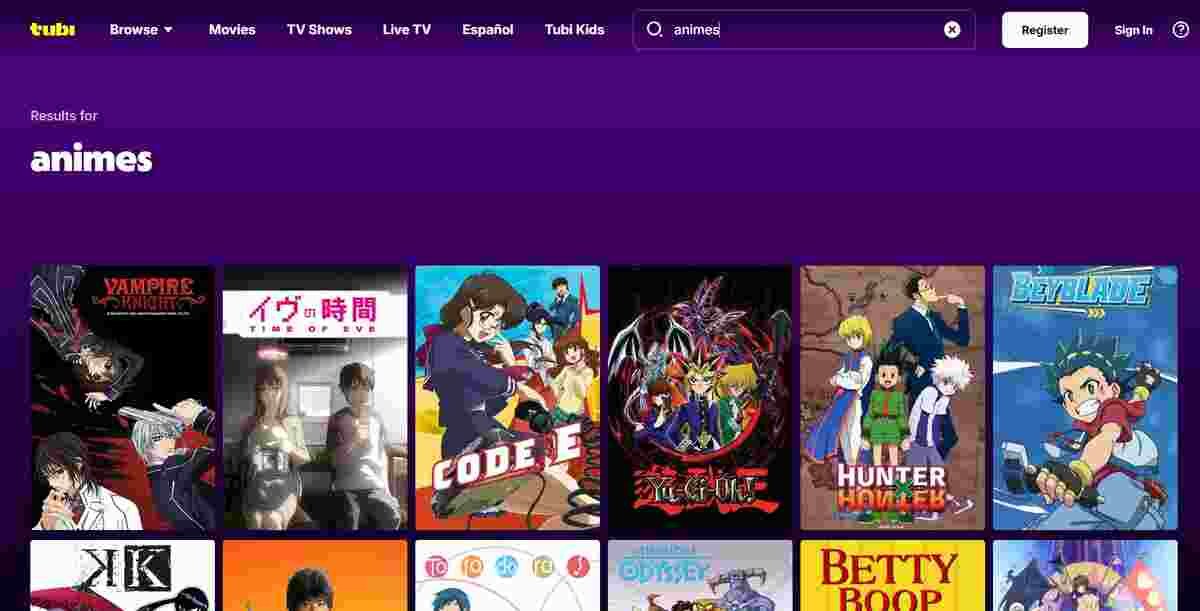
One of the main factors behind this explosive growth is the rise of global streaming platforms. Services such as Netflix, Crunchyroll, and other streaming providers have made anime more accessible than ever before. Instead of waiting months or years for international releases, audiences around the world can now watch new anime episodes almost simultaneously with their debut in Japan. This instant global distribution has allowed anime to reach millions of new viewers across North America, Europe, Latin America, and Southeast Asia.
Streaming companies have also invested heavily in anime production and licensing deals to attract younger audiences. Reports indicate that more than half of Netflix subscribers watch anime content, demonstrating how mainstream the genre has become. Anime titles regularly appear in global streaming charts and have been viewed billions of times worldwide.
Another important driver of the anime boom is its ability to expand into multiple entertainment sectors beyond television. Popular anime franchises now generate revenue through films, video games, music, toys, clothing, and collectible merchandise. Major anime movies frequently achieve blockbuster success at the global box office, proving that animated stories from Japan can compete with Hollywood productions.
In recent years, anime films have performed strongly in international theaters. Movies based on popular series such as Demon Slayer and Chainsaw Man have earned hundreds of millions of dollars worldwide, attracting both dedicated anime fans and mainstream movie audiences. The growing success of these films highlights how anime storytelling has gained global recognition and commercial power.
The rise of anime is also closely connected to global internet culture. Social media platforms, fan communities, and online forums allow audiences to share recommendations, artwork, memes, and discussions about their favorite shows. These communities help promote new series and create international fanbases almost instantly. As a result, anime now enjoys a massive global audience spanning multiple generations and cultures.
Another major trend shaping the industry is the increasing collaboration between anime studios and international entertainment companies. Global media giants are partnering with Japanese animation studios to produce original series designed specifically for international viewers. At the same time, popular manga and webtoon stories from around the world are being adapted into anime series, further expanding the industry’s creative reach.
The economic impact of anime goes beyond entertainment alone. Conventions, cosplay events, and anime festivals attract millions of fans every year, generating significant revenue for tourism, retail, and media industries. These events have become cultural celebrations where fans gather to meet creators, watch premieres, and participate in global anime culture.
Experts believe the anime industry will continue to grow as technology and global media distribution evolve. Advances in digital animation, artificial intelligence, and online streaming platforms are making it easier for studios to produce and distribute high-quality content worldwide. At the same time, the demand for diverse storytelling and unique visual styles has helped anime stand out in an increasingly crowded entertainment landscape.
As anime continues to expand across streaming platforms, theaters, merchandise markets, and gaming franchises, it is becoming one of the most influential forms of entertainment in the modern world. What started as a regional animation style has now become a global cultural force, proving that anime is no longer just a niche genre but a dominant industry shaping the future of global entertainment.