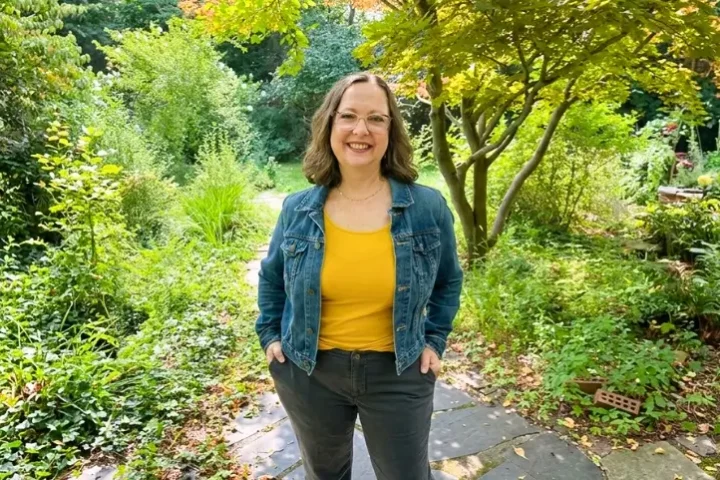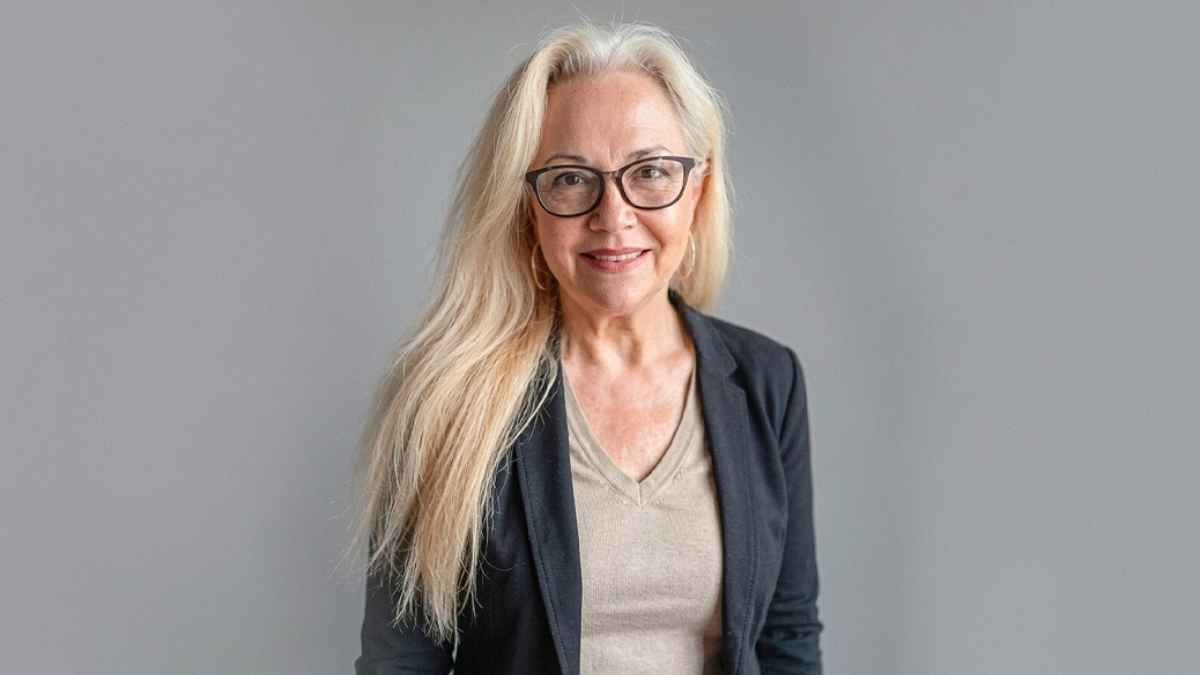


Betty A. Buckley, Emmy and Peabody Award-winning producer, writer, and director, uses The Stars at Night to ask: what happens when people can no longer see the night sky?
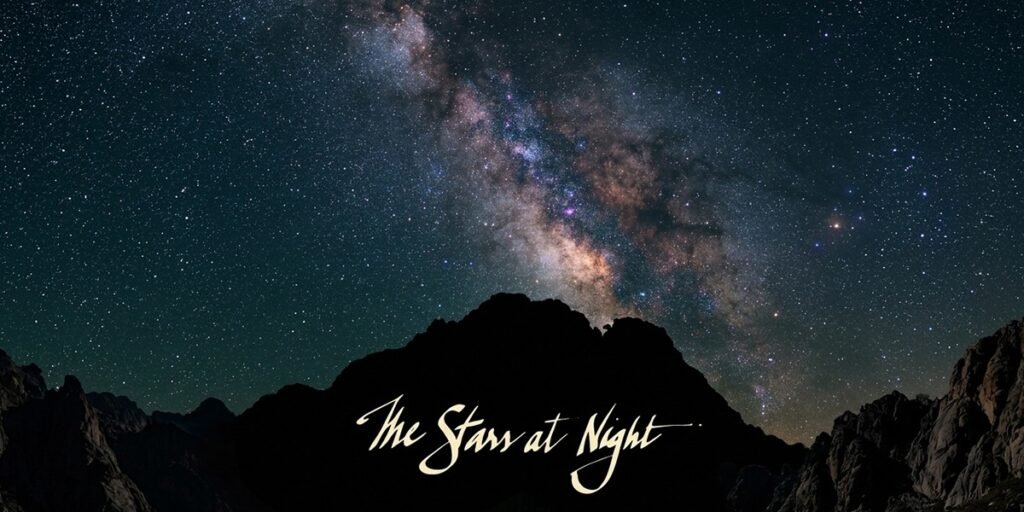
The documentary explores the relationship between astronomy, mythology, and storytelling. It also looks at the growing impact of artificial light. Today, more than one-third of humanity lives without a clear view of the Milky Way. Research has found that more than 80% of the world’s population lives under light-polluted skies.
For Betty A. Buckley, this is a cultural and environmental issue. The stars have helped people mark seasons, create myths, tell stories, and understand their place in the universe. Losing that view could mean losing part of a shared human experience.
Betty A. Buckley has spent more than 25 years across film, television, new media, and animation. She also teaches at the University level. Her career includes work across major productions and educational projects.
The Stars at Night is an important step in that career. It is her first film as a writer-director. The film follows artists, astronomers, everyday people, and young filmmakers as they examine the relationship between the night sky and human storytelling. It asks viewers to think about darkness as something worth protecting.
Light pollution can seem like a problem for astronomers and photographers. Its effects are much broader.
The National Park Service notes that artificial light can affect human health, wildlife, and plants. It also reports that more than 80% of people in the United States cannot see the Milky Way.
As a result, the documentary carries a broader environmental message. The film points toward birds, butterflies, and other animals that depend on natural patterns of light and darkness. The loss of dark skies also affects migrating animals, reflecting how human activity changes natural systems.
Betty A. Buckley’s film also asks what happens to people when the stars disappear from everyday life.
Long before modern astronomy, people looked upward for meaning. Ancient societies used the stars to understand seasons and time. They built myths around constellations and passed stories from one generation to another.
In the film, this connection is described through ancient artwork and Indigenous cultural sites. Early human stories included survival, origins, and cosmology. Many of those stories were tied to the night sky.
“It is absolutely part of our human nature to want to reach out into the great beyond,” says mythologist and storyteller Dr. John Bucher, a sentiment the filmmakers echoed.
That desire has crossed centuries and cultures. The same stars people saw thousands of years ago remain above us today. The difference is that many people now live beneath a much brighter artificial sky.
The documentary asks: if people lose their ability to see the stars, what else might they lose?
For children growing up in heavily lit cities, the Milky Way can become something seen mainly through photographs. This will not nurture curiosity, because when young children see thousands of stars, they ask questions about science, history, mythology, and humanity’s place in space.
The film therefore treats dark skies as an educational resource. They can help people connect astronomy with cultural history and also encourage a deeper awareness of the natural world.
The case for darker skies does not require people to become astronomers. It starts with recognizing that artificial light has consequences.
Better outdoor lighting can reduce unnecessary skyglow while still serving practical needs. Dark-sky groups such as DarkSky Texas promote lighting approaches designed to reduce light pollution, support wildlife, improve nighttime conditions, and conserve energy.
The mission of Environmental Arts Alliance, the nonprofit behind the film, further emphasizes protecting the sky. The organization focuses on educational documentaries that explore environmental issues alongside the humanities.
The night sky belongs to everyone. It connects people across geography, history, and culture.
Betty A. Buckley’s work asks audiences to look up before that experience becomes even harder to find. The film is currently available through PBS and the PBS app.
Dark skies are not just an astronomy concern. The Stars at Night establishes a broader view.
The issue touches wildlife, education, cultural memory, storytelling, and human curiosity. It also raises a question about what kind of natural world future generations should inherit.
Betty A. Buckley turns that question into a documentary of history, science, and personal discovery. Her work shows that protecting the night can mean protecting more than a view of the stars. It can mean preserving a connection that has shaped human stories for thousands of years.
Connect with Betty A. Buckley on LinkedIn and learn more about the work of Environmental Arts Alliance.

Nicole Kenny is a freelance writer and content creator with a passion for storytelling. Her work has been published in various online and print publications, covering topics ranging from travel and culture to ersonal finance and entrepreneurship. When she's not writing, you can find her hiking in the mountains or curled up with a good book. Nicole is also an avid traveler and amateur photographer.