Early childhood education is evolving beyond rigid classrooms and rote drills toward open, child-centered models that blend proven traditions (Montessori, Reggio Emilia, Waldorf, etc.) with fresh innovations. One inspiring example is Holly Gold’s Little School Approach in Oakland, California.
At The Little Schools, bright, open classrooms flow into gardens and play yards, and children of mixed ages learn side by side. From the start, this program was built on “principles of openness and engagement” and love for children. As the founder recalled, outsiders first saw the school as “loosey-goosey or unstructured,” but it actually rests on a “highly structured plan” that lets a child as young as two-years-old roam and choose activities freely. This combination of trusted pedagogy with nature, play, and community offers lessons for modern preschool design: classrooms as second homes that honor children’s natural curiosity.
In the Little School Approach to Early Childhood Education, the outdoors are not an occasional field trip but an integral part of daily school life. Gardens, woodlands, and weather itself become teaching tools.
“Everything, from raindrops to puddles to gardens to airplanes, becomes a subject. When kids are interested, that’s where the learning lives.”
Research strongly supports this. Systematic reviews find dozens of clear benefits when young children learn in nature-rich settings, from better self-regulation and creativity to improved social skills. In one study of a Reggio-inspired preschool garden, children engaged in science skills (observing, predicting, comparing) and math practice (counting, measuring, spatial reasoning) while tending plants. They gained ecological awareness and joy from gardening. Outside, even risky play (climbing, balancing on logs) builds physical agility and confidence.
At the same time, the indoor environment remains open and connected to nature. The approach eliminates long hallways and dividing walls. Mixed-age classrooms are one continuous space where toddlers and five-year-olds share activities. Intentional areas (a writing table, block corner, art area) sit in bright rooms, often centered around a round table or gathering rug. Children move fluidly between indoor rooms and fenced outdoor play areas all day long. This free-flow design is deliberate: children “can move freely between indoors and outdoors, explore… all at their own rhythm,” which “encourages each child’s individual interests and talents.”
Such openness nurtures belonging: children feel they own the place, leading projects and developing relationships with peers as they naturally grow at their own pace. Mixed-age, open spaces and nature-integrated classrooms put agency in children’s hands.
Children learn best by doing, and play is doing in early childhood. Both free (child-led) play and guided play with a teacher are powerful drivers of development. An often-cited study found that simple make-believe and playful games significantly boost school-readiness: kids showed measurable gains in vocabulary, counting, fine motor control, and social-emotional skills after parents and teachers were trained to play more with them.
In practice, this means children thrive by following a natural path of learning. Children’s natural curiosity, including literacy, math, science is not interrupted by adult designed drills. Interestingly, this uninterrupted exploration is how kids learn. In fact, it’s how we all learn. For example, in a Little School mixed-age class, children might decide to build a simple “bookstore.” They draft signs at the writing table, role-play buying and selling books, count out pretend money, and retell stories as they “sell” books. In another class, a bug found under a rock sparks counting wriggly legs, drawing of the insect, and a group walk to observe more bugs in the garden, blending science, art, and math smoothly.
The long-term goal of this model is to nurture well-rounded, curious, resilient individuals. By respecting developmental timelines and keeping academics playful, children actually gain readiness skills organically. Instead of memorizing letters in isolation, for instance, kids often learn to read and write because it becomes fun and useful, not because they’re drilled to do so. Deliberately nurturing cooperation, creativity, and emotional awareness lays the groundwork for all later learning. Traits like empathy, patience, and problem-solving are considered the true “building blocks” of both personal success and academic achievement.
By the same token, these programs intentionally cultivate kindness and community-mindedness. Every day might include small acts of caring, such as sharing books, recycling projects, or community clean-ups, so that young learners practice empathy and civic responsibility. Parents and neighbors are invited in, making school a true neighborhood hub.
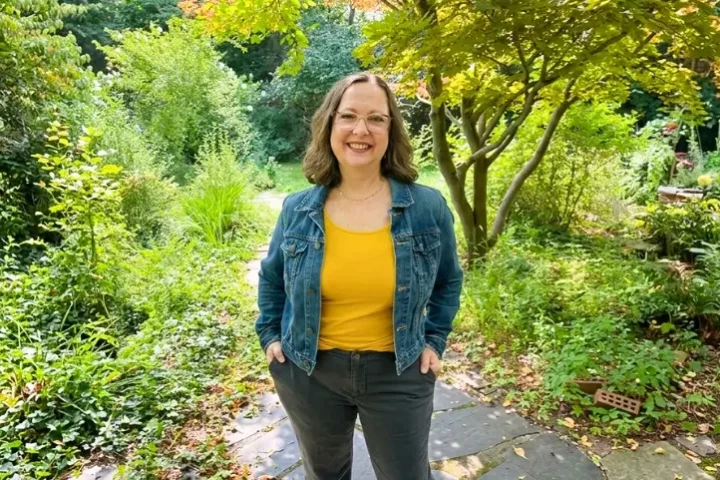
As Gold puts it, the ultimate aim isn’t merely completing a checklist of milestones. The goal is having a positive impact on the world today and for the rest of your life. We do this by nurturing humans who know how to care for something larger than themselves and to develop their natural talents and abilities.
Educators are taking notice of this philosophy. Actionable steps for educators and parents drawing inspiration from this model include creating open, mixed-age environments, integrating nature everywhere, centering learning on play, and valuing relationships and community.
In short, honoring the wisdom of Montessori/Reggio/Waldorf means giving children choice, beauty and purpose in their world, and marrying that tradition with modern insights about play, nature and community. With The Little School Approach gaining attention, a new wave of early learning is taking root, one grounded in play, intertwined with nature, and built on respect for each child’s individual journey.